
Taylor Swift back on TikTok as Universal reaches deal with platform
Licensing deal resolves months-long dispute that had record label Universal pulling its artists' music off the video platform.
Watch CBS News

Licensing deal resolves months-long dispute that had record label Universal pulling its artists' music off the video platform.

The IRS is tapping Inflation Reduction Act funding to hire more agents and go after more tax cheats. Here's where it is focusing.

The recalled beef came from Cargill Meat Solutions in the form of burger patties and ground chuck.
A Georgia senior living community fired an elderly worker shortly after honoring her as an employee of the year, regulators allege.
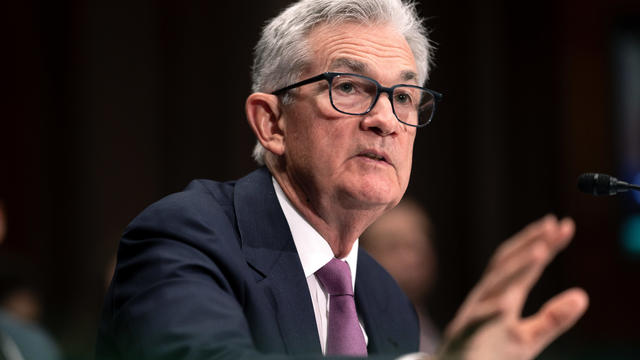
The Fed is leaving its benchmark interest rate unchanged, noting a lack of progress in curbing inflation.
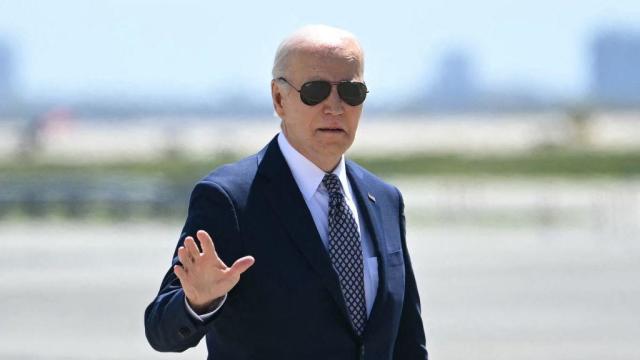
The Biden administration said it's erasing debt for people who attended the for-profit Art Institutes, which shut down in September.
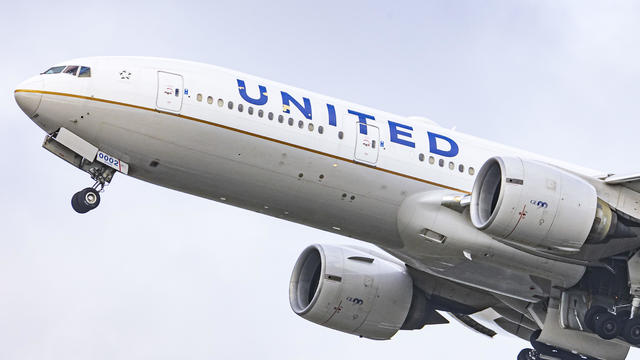
A man's physical and verbal threats caused the United flight from London to Newark to divert and land in Bangor, Maine.
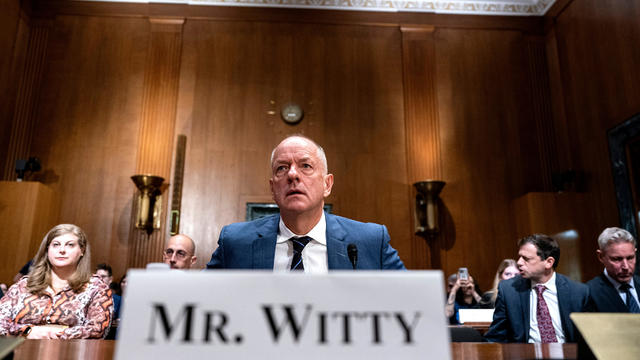
UnitedHealth CEO Andrew Witty told lawmakers that its subsidiary Change Healthcare didn't have multifactor authentification.

Plaintiffs have three months to vote on whether to approve a proposed legal settlement that would resolve nearly all talc lawsuits.

You may have enough home equity to pay off your mortgage with it — but that's only a good idea in certain cases.

High-yield savings accounts can give you a meaningful return on your cash. Here's why you should open one in May.

If you're dealing with overwhelming debt, May could be the perfect month to pursue relief. Here's why.

Tesla accounted for 80% of electric vehicle sales in the U.S. in 2020, but that figure fell to 55% last year.

The generative artificial intelligence boom has led to the emergence of romantic companion bots.

Apple said it will stop selling the devices later this month in order to comply with a U.S. import ban.

Alex Jones, the conspiracy theorist known for his fake news site InfoWars and his false denial of the Sandy Hook massacre, was permanently banned from Twitter in 2018.

More than 90 million consumers will scan a QR code this year. But the technology can also facilitate identity theft.
The billionaire owner of X took a defensive tone, saying that "the whole world will know that those advertisers killed the company."
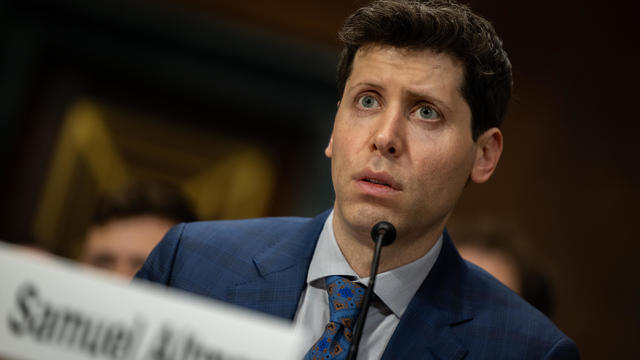
OpenAI co-founder Sam Altman says he's looking forward to returning to the company, with the support of Microsoft's CEO, to build the 2 companies' "strong partnership."

Musk, who is under fire for supporting an antisemitic post, said the money will be donated to hospitals in Israel and to the Red Cross in Gaza.
Altman landed at Microsoft, the biggest investor in OpenAI, as former Twitch leader Emmett Shear was named OpenAI's new chief executive.
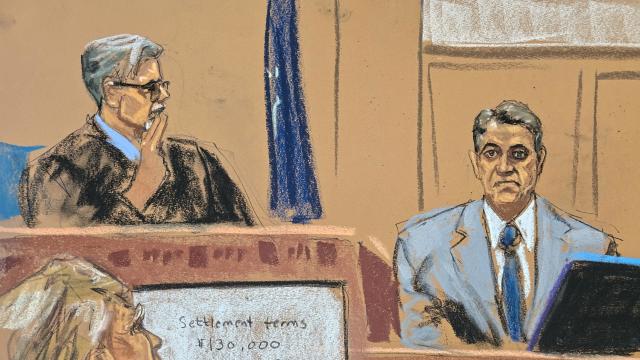
Keith Davidson, a Los Angeles-based lawyer, told jurors about how he represented Stormy Daniels in talks with Michael Cohen.
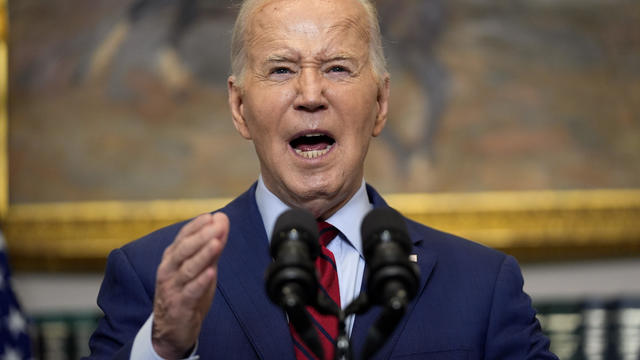
President Biden said "no," the National Guard should not intervene in the protests.

College campus protests in solidarity with Palestinians amid Israel's war with Hamas in the Gaza Strip are spreading far beyond the U.S.
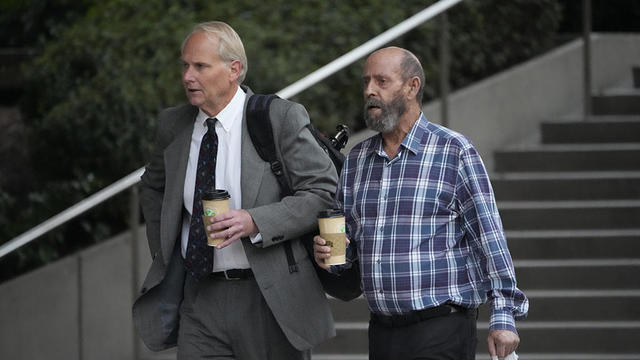
Jerry Boylan, was found guilty in 2023 of one count of misconduct or neglect of ship officer, colloquially known as seaman's manslaughter for the deaths of 33 passengers and one crew member on the dive boat Conception.
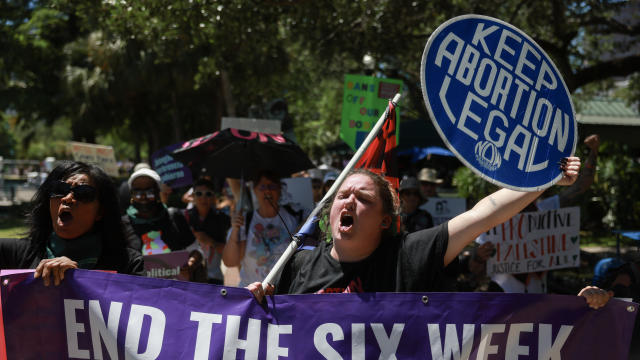
A Florida law prohibiting abortions after six weeks gestation with some exceptions went into effect Wednesday.
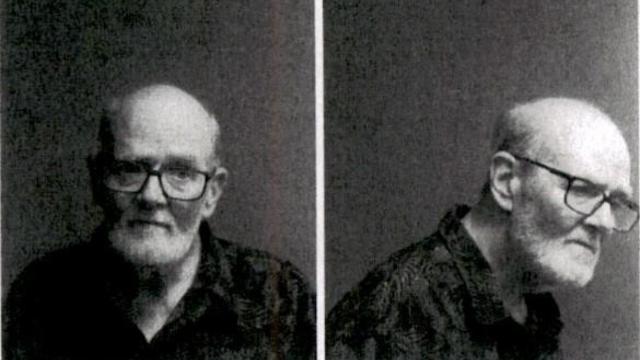
James Barbier, 79, is charged with first-degree murder in the 1966 stabbing death of 18-year-old Karen Snider at her home in Calumet City.
The IRS is tapping Inflation Reduction Act funding to hire more agents and go after more tax cheats. Here's where it is focusing.

U.S. Central Command initially said an airstrike in May 2023 had killed a senior al Qaeda leader in Syria, but an investigation has concluded it actually killed an innocent civilian.
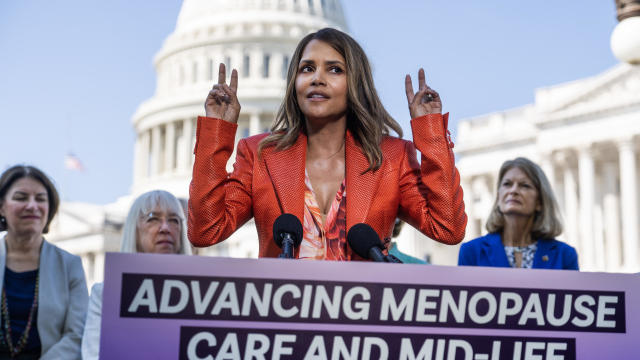
Actress Halle Berry joined with a group of bipartisan senators on Thursday to announce new legislation to promote menopause research, training and education.

With a relatively low average monthly cost of living and a low crime rate, this little-known town has a lot to offer retirees according to one report.

The U.S. is reaching "peak 65," marking the largest retirement wave in American history. But the financial outlook for many is grim.

Americans are underprepared for retirement, with the average account holding just $88,400 in savings.
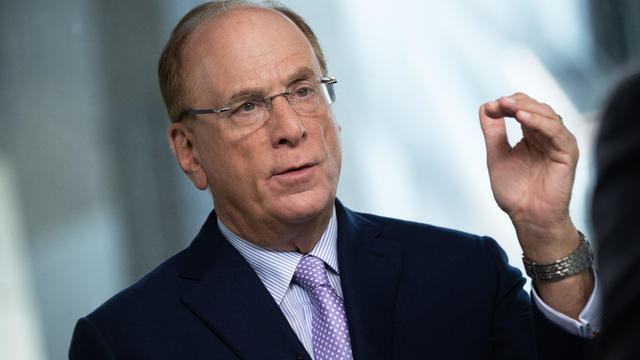
BlackRock CEO Larry Fink said that longer life expectancies are "putting the U.S. retirement system under immense strain."

About 1 in 8 workers think they'll retire by age 61. But the reality of saving for decades of expenses is daunting.
A Florida law prohibiting abortions after six weeks gestation with some exceptions went into effect Wednesday.
A Georgia senior living community fired an elderly worker shortly after honoring her as an employee of the year, regulators allege.
Jerry Boylan, was found guilty in 2023 of one count of misconduct or neglect of ship officer, colloquially known as seaman's manslaughter for the deaths of 33 passengers and one crew member on the dive boat Conception.

Authorities in Portland say an arsonist set fire to at least 15 police cars at a training facility early Thursday.
The IRS is tapping Inflation Reduction Act funding to hire more agents and go after more tax cheats. Here's where it is focusing.
A Georgia senior living community fired an elderly worker shortly after honoring her as an employee of the year, regulators allege.
The IRS is tapping Inflation Reduction Act funding to hire more agents and go after more tax cheats. Here's where it is focusing.
The recalled beef came from Cargill Meat Solutions in the form of burger patties and ground chuck.
Licensing deal resolves months-long dispute that had record label Universal pulling its artists' music off the video platform.
A man's physical and verbal threats caused the United flight from London to Newark, New Jersey, to divert to Bangor, Maine.
A Florida law prohibiting abortions after six weeks gestation with some exceptions went into effect Wednesday.

Joshua Dean was a quality inspector at Spirit AeroSystems, which builds the bulk of the 737 Max for Boeing, and recently died from a fast-spreading infection.

Researchers say an orangutan appeared to treat a wound with medicine from a tropical plant.
U.S. Central Command initially said an airstrike in May 2023 had killed a senior al Qaeda leader in Syria, but an investigation has concluded it actually killed an innocent civilian.
Actress Halle Berry joined with a group of bipartisan senators on Thursday to announce new legislation to promote menopause research, training and education.

Stress is hard to avoid, but experts say getting outdoors can have a positive impact on both our mental and physical health.
Actress Halle Berry joined with a group of bipartisan senators on Thursday to announce new legislation to promote menopause research, training and education.

New CDC data shows about 680 women in the U.S. died during pregnancy or shortly after childbirth in 2023, a decline from the previous year.

UnitedHealth Group CEO Andrew Witty disclosed that a cyberattack on one of its subsidiaries earlier this year might affect up to a third of all Americans.

The USDA tested 30 samples from states with herds infected by H5N1.
College campus protests in solidarity with Palestinians amid Israel's war with Hamas in the Gaza Strip are spreading far beyond the U.S.
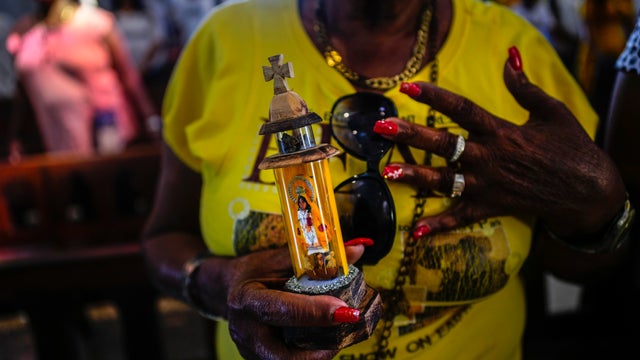
Police said the victims mixed the potion themselves and drank it "to acquire some certain kind of powers."

Israeli Prime Minister Benjamin Netanyahu publicly rejects international pressure to call off an offensive on the southern Gaza city of Rafah.
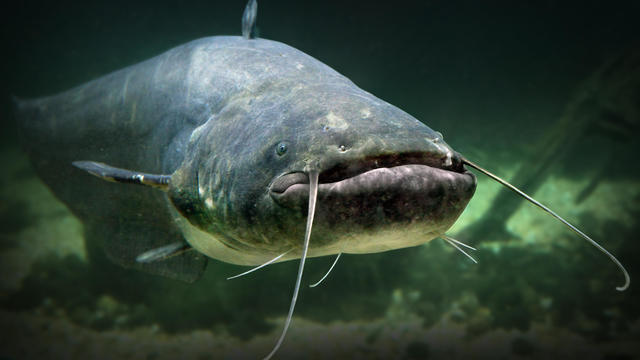
It took nearly an hour and four people to get the 143-pound catfish out of the lake: "My wrist is still hurting from reeling."

Mexico City's chief prosecutor disputed a volunteer group's claims that human remains and other evidence had been found at the site.
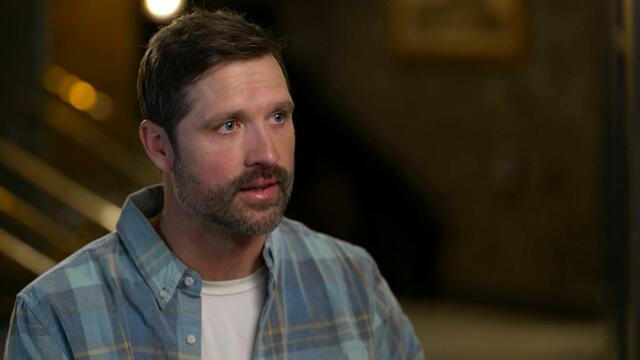
Three years ago, Walter Hayes burst onto the music scene with "Fancy Like," a song that became a sensation and established his presence in the country music world.
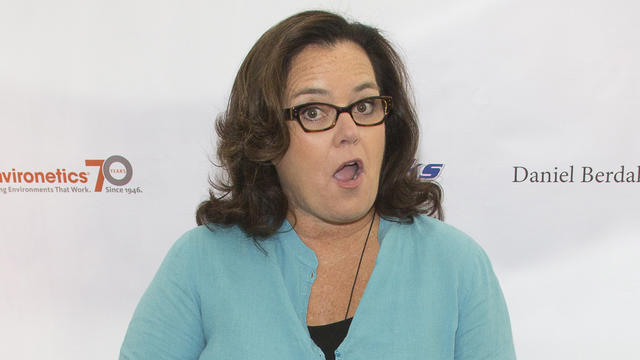
O'Donnell shared a photo of a script for season three, episode one of the Max show, revealing her character's name is Mary.
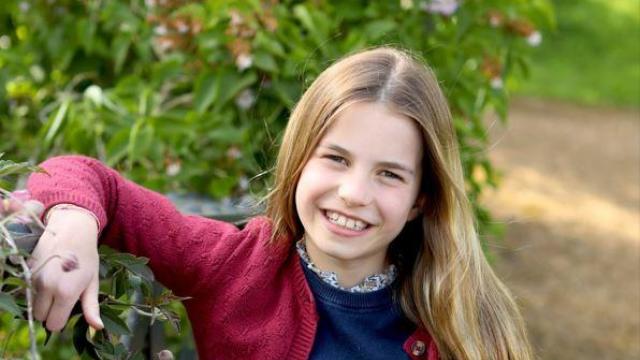
"Happy 9th Birthday, Princess Charlotte!" the Prince and Princess of Wales said in a social media post with a new photo of their daughter taken by Kate.
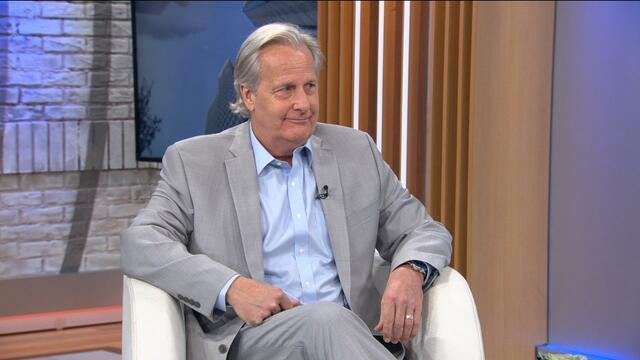
Emmy Award-winning actor Jeff Daniels says he's playing one of his most challenging roles yet. He stars in the new Netflix limited series "A Man in Full," created by Hollywood heavyweights David E. Kelley and Regina King, who also serves as a director. Daniels portrays Charlie Croker, a tough-talking real estate mogul facing bankruptcy. He must defend his empire and his family against enemies attempting to exploit his fall from grace.
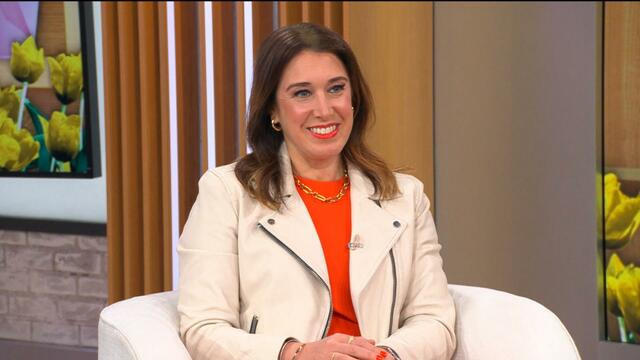
Still searching for the perfect Mother’s Day gift? Sarah Gelman, Amazon Books Editorial Director, shares her top book picks for all kinds of moms.
Google made its closing arguments Thursday in the antitrust case brought by the Department of Justice. CBS News senior business and tech correspondent Jo Ling Kent reports.
Closing arguments begin Thursday in the Justice Department's antitrust lawsuit against Google. The government and more than a dozen states say Google has turned its search engine into an illegal monopoly, while Google says people like to use the engine and could change their search habits at any time. Matthew Perlman, senior competition reporter for Law 360, joins CBS News to discuss the case.

From labor shortages to environmental impacts, farmers are looking to AI to help revolutionize the agriculture industry. One California startup, Farm-ng, is tapping into the power of AI and robotics to perform a wide range of tasks, including seeding, weeding and harvesting.

Pollen counters are turning to artificial intelligence as seasonal allergies worsen due to climate change. CBS News national correspondent Dave Malkoff explains how technology is changing the long and tedious process of pollen counting.

Artificial intelligence assistants may soon be able to do much more than play your favorite music or call your mom, but some Google researchers warn about possible ethical dilemmas. CBS News reporter Erica Brown has more.

Much of Asia is sweltering under a heat wave that one expert calls "by far the most extreme event in world climatic history."
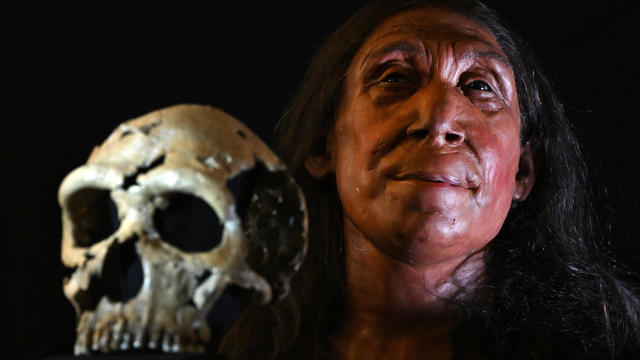
Shanidar Z's skull — thought to be the best preserved Neanderthal find this century — "was as flat as a pizza," experts said.

The group of nations in the G7 have announced an agreement to phase out coal power plants by 2035. CBS News senior national and environmental correspondent Ben Tracy reports.

Blue holes are considered an "oasis" for marine life — but the Taam Ja' Blue Hole off the coast of Mexico remains largely mysterious.
Pollen counters are turning to artificial intelligence as seasonal allergies worsen due to climate change. CBS News national correspondent Dave Malkoff explains how technology is changing the long and tedious process of pollen counting.
Jerry Boylan, was found guilty in 2023 of one count of misconduct or neglect of ship officer, colloquially known as seaman's manslaughter for the deaths of 33 passengers and one crew member on the dive boat Conception.
Authorities in Portland say an arsonist set fire to at least 15 police cars at a training facility early Thursday.
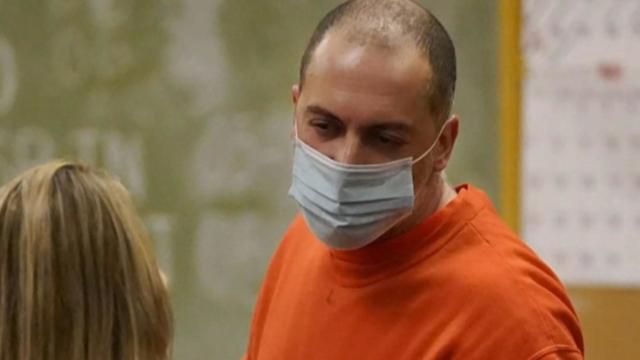
A court hearing will be held in California on Thursday for Nima Momeni, the 38-year-old man accused of murdering Cash App founder Bob Lee. Momeni was arrested last year for allegedly stabbing Lee to death in San Francisco. He has pleaded not guilty. Jonah Owen Lamb, senior reporter for the San Francisco Standard, joined CBS News to discuss the case.
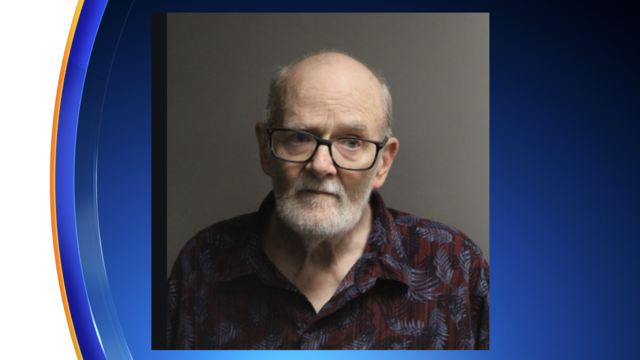
James Barbier, 79, is charged with first-degree murder in the 1966 stabbing death of 18-year-old Karen Snider at her home in Calumet City.

Family members said Heavenly Faith Garfield and the victim had been discussing the pact for several weeks, the affidavit says.
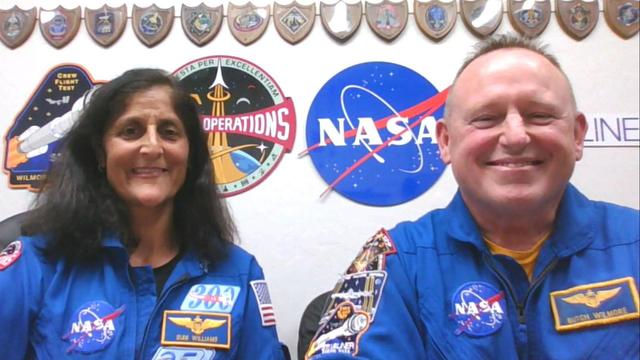
Boeing is set to launch its first-ever spaceflight with humans next week. The Starliner spacecraft will lift off from Florida on Monday night for a multi-day mission to the International Space Station. Commander Barry "Butch" Wilmore and pilot Sunny Williams, two seasoned NASA astronauts who are a part of the mission, join CBS News to go over the flight.

The Horsehead Nebula, which NASA has called "one of the most distinctive objects in our skies," is located in the constellation Orion.
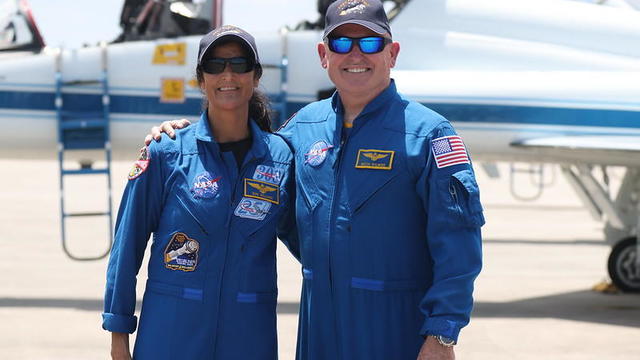
Astronauts Barry Wilmore and Sunita Williams say they have complete confidence in the Starliner despite questions about Boeing's safety culture.
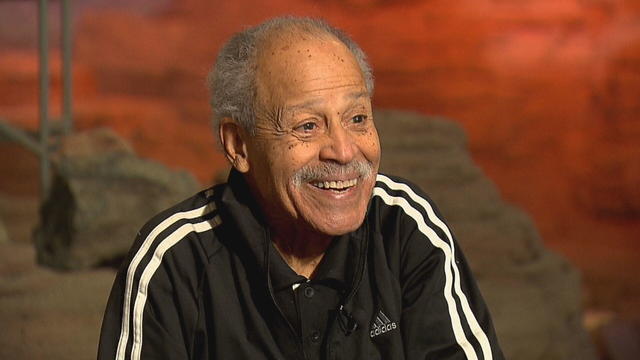
In 1961, Ed Dwight was selected by President John F. Kennedy to enter an Air Force training program known as the path to NASA's Astronaut Corps. But he ultimately never made it to space.

The creepy patterns were observed by the European Space Agency's ExoMars Trace Gas Orbiter.
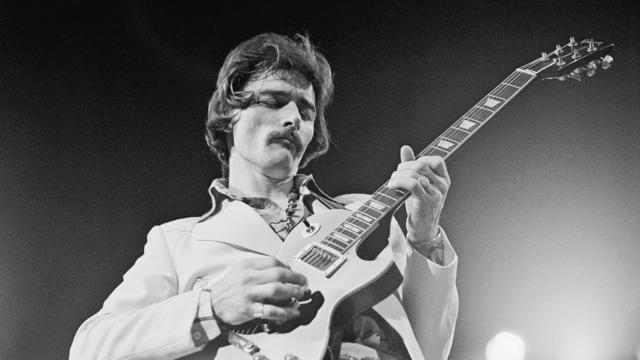
A look back at the esteemed personalities who've left us this year, who'd touched us with their innovation, creativity and humanity.

The Francis Scott Key Bridge in Baltimore collapsed early Tuesday, March 26 after a column was struck by a container ship that reportedly lost power, sending vehicles and people into the Patapsco River.
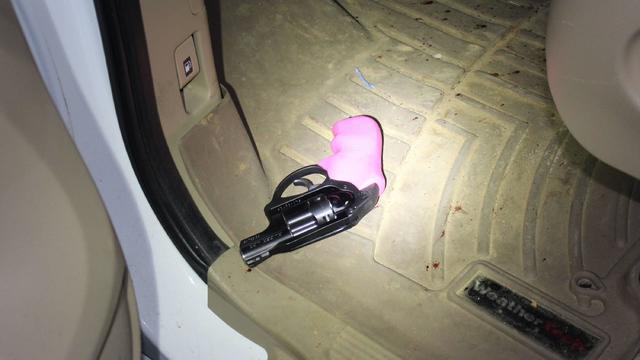
When Tiffiney Crawford was found dead inside her van, authorities believed she might have taken her own life. But could she shoot herself twice in the head with her non-dominant hand?
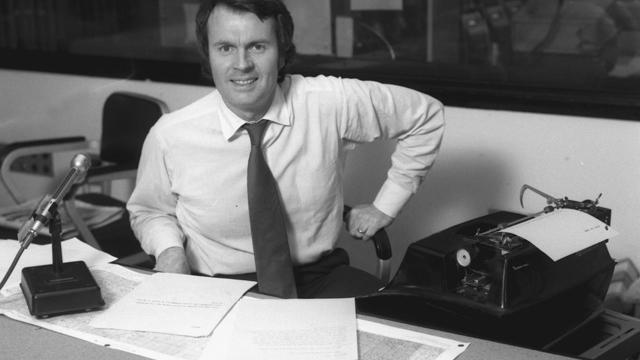
We look back at the life and career of the longtime host of "Sunday Morning," and "one of the most enduring and most endearing" people in broadcasting.

Cayley Mandadi's mother and stepfather go to extreme lengths to prove her death was no accident.

Police forced protesters out of encampments at UCLA early Thursday morning after hundreds defied orders to leave the premises. CBS News' Jonathan Vigliotti reports from Los Angeles, and Richard Esposito, a CBS News law enforcement contributor, breaks down what's known about those arrested at New York City protests.
Google made its closing arguments Thursday in the antitrust case brought by the Department of Justice. CBS News senior business and tech correspondent Jo Ling Kent reports.

The controversial near-total abortion ban in Arizona won't be taken off the books for 90 days, according to the state's law. CBS News' Janet Shamlian breaks down the process of repealing the 1864 law.
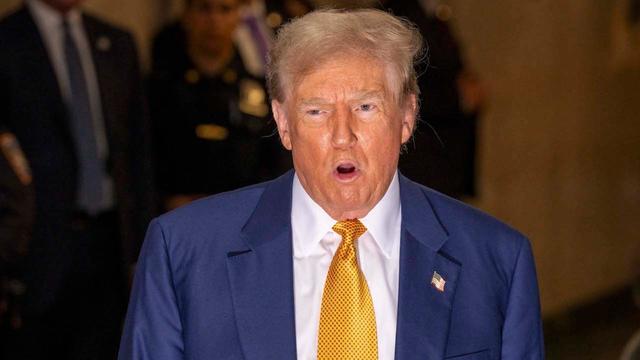
Former President Donald Trump's remarks were probed Thursday during a second gag order hearing. Prosecutors allege Trump has violated judge Juan Merchan's order four times since he was last fined. CBS News' Errol Barnett reports.
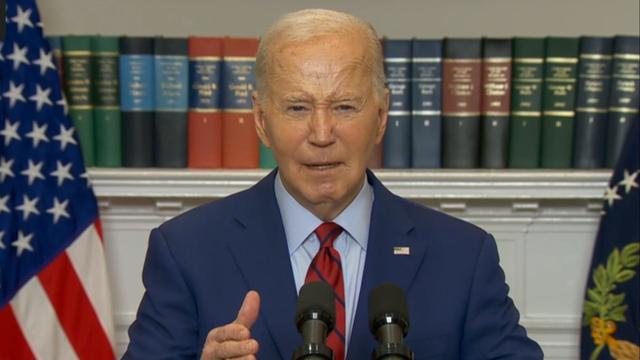
President Biden said Friday that violent protests at college campuses across the U.S. are not protected under the Constitution's First Amendment. CBS News senior White House and political correspondent Ed O'Keefe has more.