NPR suspends editor who accused the network of liberal bias
Uri Berliner, who has worked at NPR for 25 years, was suspended after he claimed the network pushed progressive viewpoints.
Watch CBS News

Uri Berliner, who has worked at NPR for 25 years, was suspended after he claimed the network pushed progressive viewpoints.

Just figuring out what it costs to get a college degree can deter some people from going to school, a new study suggests.
Rideshare passengers have been known to forget all manner of unusual items, from live animals to a car engine.
Elon Musk's 2018 compensation package is back for board re-certification after being voided by a Delaware court.
The former president's media company announced plans to air news, religious channels and other content.
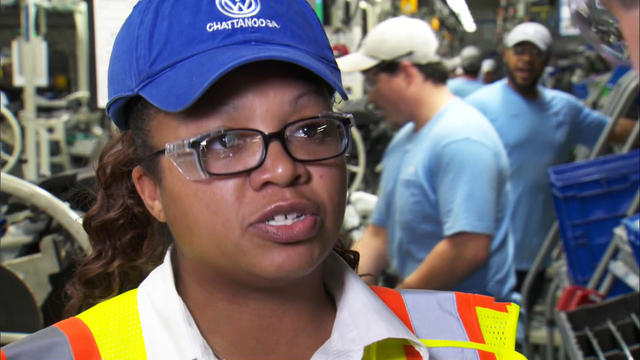
Republican governors criticized the UAW's efforts as Volkswagen workers in Tennessee are set to start voting on joining the labor union.
The union for American Airlines pilots says it's been seeing "a significant spike in safety- and maintenance-related problems in our operation."

19 people have been stricken — including nine who have been hospitalized — after getting fake or mishandled injections in homes and spas, feds warn.
The $872 million most likely excludes any amount UnitedHealth may have paid to hackers in ransom.

The price of gold has been up lately, but by how much. Here's how much gold's price has risen since March 1.

There are multiple types of long-term care insurance to choose from. Learn more about cash benefit policies here.

It can be advantageous for homebuyers to pursue these strategies now before the Fed meets again on April 30.
Tesla accounted for 80% of electric vehicle sales in the U.S. in 2020, but that figure fell to 55% last year.

The generative artificial intelligence boom has led to the emergence of romantic companion bots.

Apple said it will stop selling the devices later this month in order to comply with a U.S. import ban.
Alex Jones, the conspiracy theorist known for his fake news site InfoWars and his false denial of the Sandy Hook massacre, was permanently banned from Twitter in 2018.

More than 90 million consumers will scan a QR code this year. But the technology can also facilitate identity theft.
The billionaire owner of X took a defensive tone, saying that "the whole world will know that those advertisers killed the company."
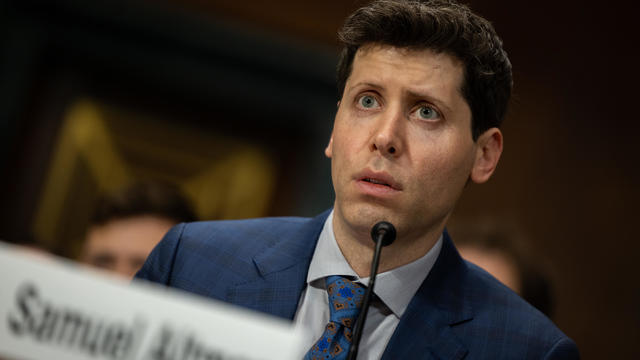
OpenAI co-founder Sam Altman says he's looking forward to returning to the company, with the support of Microsoft's CEO, to build the 2 companies' "strong partnership."
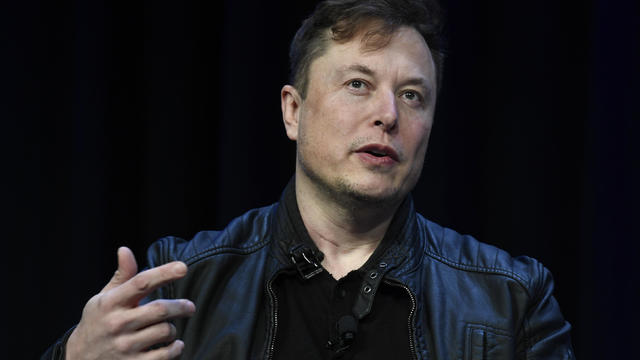
Musk, who is under fire for supporting an antisemitic post, said the money will be donated to hospitals in Israel and to the Red Cross in Gaza.
Altman landed at Microsoft, the biggest investor in OpenAI, as former Twitch leader Emmett Shear was named OpenAI's new chief executive.

UNICEF says a third of Gaza's infants and toddlers are acutely malnourished, but Israel blames the U.N. itself.

Democrats who led probes into Trump's role in Jan. 6 Capitol riot expect to face arrest if he wins: "Anybody who has testified against him...should be worried."
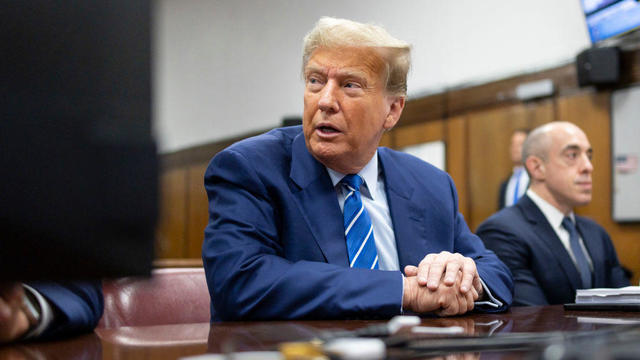
Five more still have to be chosen, plus another half-dozen alternates.
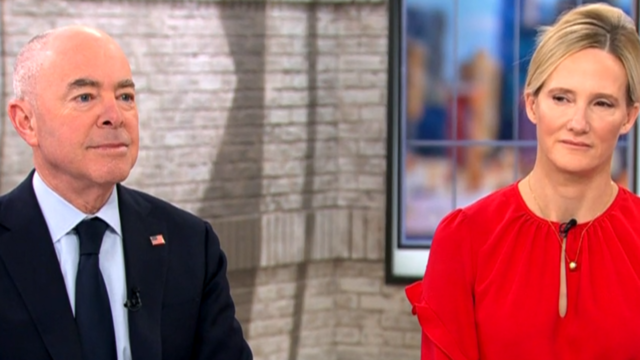
The campaign will work with private and public sector partners to combat rising rates of child exploitation and abuse online.
Uri Berliner, who has worked at NPR for 25 years, was suspended after he claimed the network pushed progressive viewpoints.
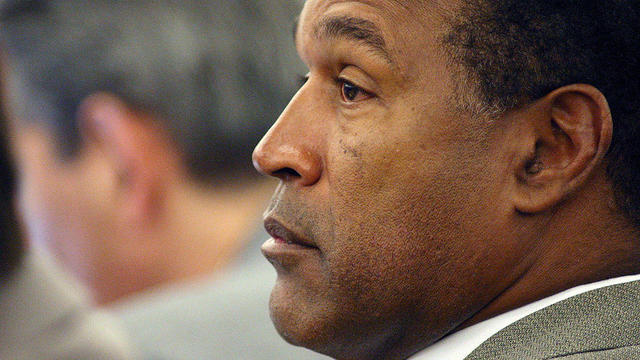
O.J. Simpson's longtime lawyer in Las Vegas says the end came quickly.
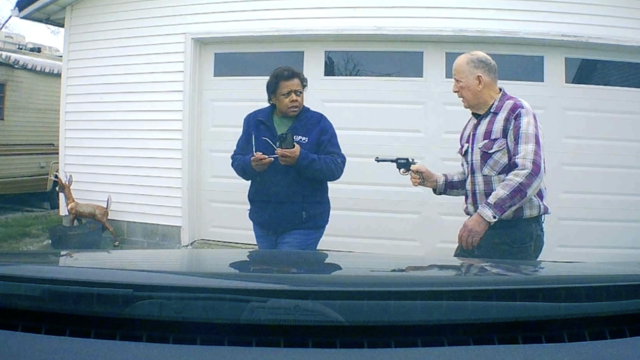
Both the alleged shooter and the Uber driver appeared to have been targets of scam phone calls, the Clark County Sheriff's Office said.
A bipartisan group of lawmakers sent a letter to President Biden calling for "renewed assessment by the U.S. government" of Havana Syndrome in the wake of 60 Minutes' latest report on "anomalous health incidents."

Dubai International Airport is urging travelers to stay away as flooding from "a historic weather event" hobbles the arid United Arab Emirates.

Former "Monty Python" star Eric Idle said people "always assume we're loaded." He added, "I have to work for my living."

Only about 1 in 10 Americans understands the basics of longevity, or how long they'll live in retirement. Can you pass the test?

Over the next few years, the U.S. could see a surge in seniors living in poverty, one retirement expert predicts.

The gap between what people think they'll need for old age and their actual savings is massive, even for those nearing retirement.

Seniors and other recipients of the Social Security program may get a cost-of-living adjustment of 3.1% next year, one forecast says.
O.J. Simpson's longtime lawyer in Las Vegas says the end came quickly.
Elon Musk's 2018 compensation package is back for board re-certification after being voided by a Delaware court.
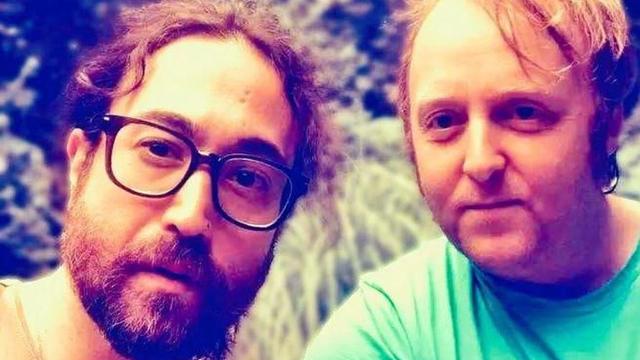
The new single, titled "Primrose Hill", was recently released by James McCartney and Sean Ono Lennon, who are both musicians themselves.

A financial counselor for the U.S. Army has admitted to tricking the surviving beneficiaries of fallen soldiers out of millions while profiting himself.
Uri Berliner, who has worked at NPR for 25 years, was suspended after he claimed the network pushed progressive viewpoints.
Elon Musk's 2018 compensation package is back for board re-certification after being voided by a Delaware court.
Uri Berliner, who has worked at NPR for 25 years, was suspended after he claimed the network pushed progressive viewpoints.
Rideshare passengers have been known to forget all manner of unusual items, from live animals to a car engine.
Just figuring out what it costs to get a college degree can deter some people from going to school, a new study suggests.
Republican governors criticized the UAW's efforts as Volkswagen workers in Tennessee are set to start voting on joining the labor union.
The campaign will work with private and public sector partners to combat rising rates of child exploitation and abuse online.
Democrats who led probes into Trump's role in Jan. 6 Capitol riot expect to face arrest if he wins: "Anybody who has testified against him...should be worried."
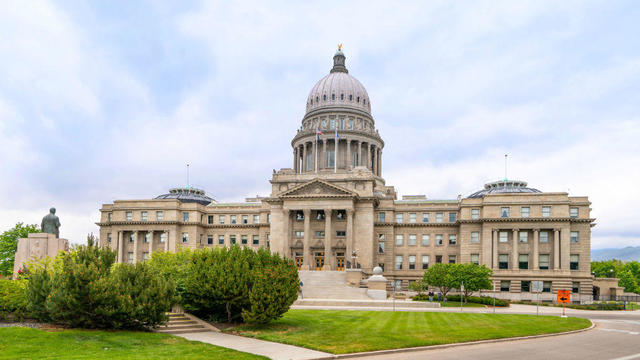
At least 24 states have adopted bans on gender-affirming care for minors in recent years, and most of them face legal challenges.
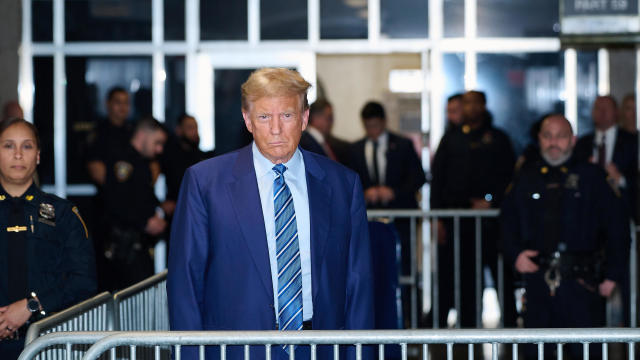
CBS News Confirmed examines three viral claims that have emerged so far during Trump's first criminal trial.
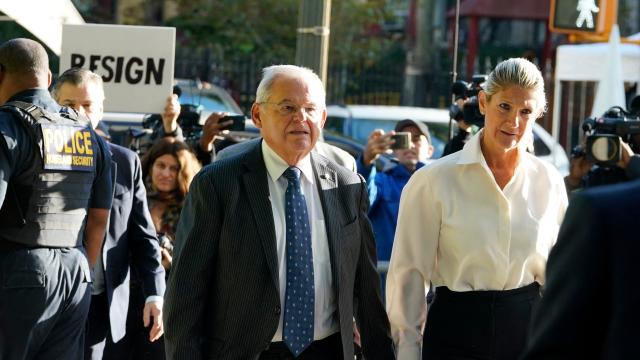
Sen. Bob Menendez heads to trial next month to fight charges that he traded his political influence for cash, gold bars and a luxury car.

A new generation of deodorant products promise whole-body odor protection. Should you try one? Dermatologists share what to know.

New York City health officials are warning of a worrisome increase in the number of leptospirosis cases from contact with rat urine.
The $872 million most likely excludes any amount UnitedHealth may have paid to hackers in ransom.

The recall comes years after surgeons say they first noticed problems with the HeartMate II and HeartMate 3, manufactured by Thoratec Corp., a subsidiary of Abbott Laboratories.
19 people have been stricken — including nine who have been hospitalized — after getting fake or mishandled injections in homes and spas, feds warn.

Officials reported "volcanic ash rain" as photos and videos show the Ruang volcano filling the night sky with fiery red and orange plumes.
UNICEF says a third of Gaza's infants and toddlers are acutely malnourished, but Israel blames the U.N. itself.
Dubai International Airport is urging travelers to stay away as flooding from "a historic weather event" hobbles the arid United Arab Emirates.

A whopping 10,000 athletes will carry the torch 3,100 miles over 68 days.
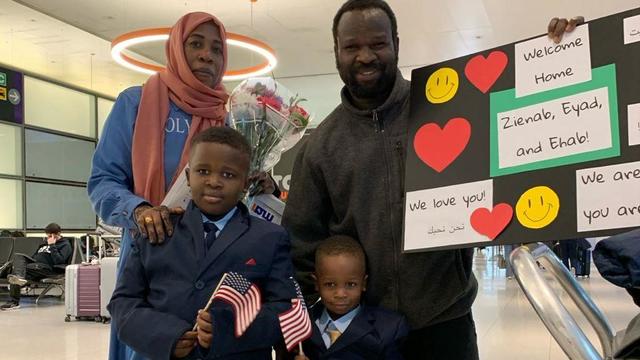
A Sudanese-American family is the first to be reunited in the U.S. after a woman and her sons spent nearly a year stuck in Saudi Arabia.
O.J. Simpson's longtime lawyer in Las Vegas says the end came quickly.
The new single, titled "Primrose Hill", was recently released by James McCartney and Sean Ono Lennon, who are both musicians themselves.

ABBA, Blondie and the Notorious B.I.G. were among the 25 artists selected this year to be added to the Library of Congress' National Recording Registry.
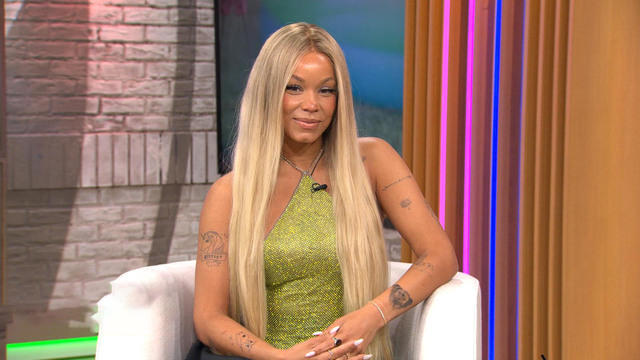
Adell remained tight-lipped about her studio time with Beyoncé, urging fans to use their imagination
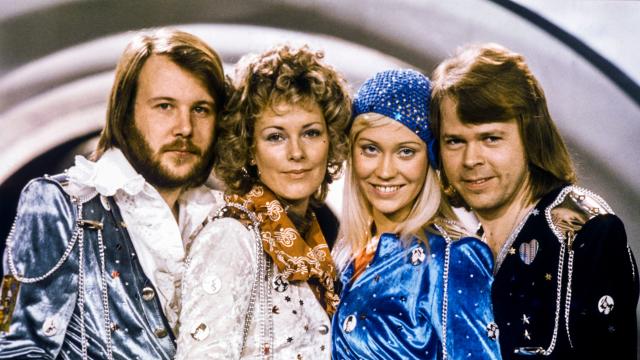
ABBA, Blondie and The Notorious B.I.G. are entering America's audio canon.
The former president's media company announced plans to air news, religious channels and other content.

The Biden administration is awarding Samsung $6.4 billion to expand American chipmaking. The company will spread the money across at least five facilities in Texas. Sujai Shivakumar, senior fellow at the Center for Strategic and International Studies, joins CBS News to assess the economic and technological impacts.

From labor shortages to environmental impacts, farmers are looking to AI to help revolutionize the agriculture industry. One California startup, Farm-ng, is tapping into the power of AI and robotics to perform a wide range of tasks, including seeding, weeding and harvesting.

Roku said Friday a second security breach impacted more than 576,000 accounts after announcing in March that 15,000 accounts had been exposed by a hack. Emma Roth, a writer for The Verge, joins CBS News with more details.
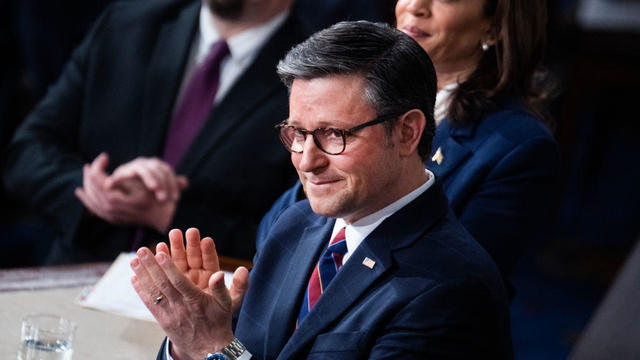
The bill reforms and extends a portion of the Foreign Intelligence Surveillance Act known as Section 702 for a shortened period of two years.

A major global coral bleaching event is occurring for the second time in 10 years, according to the National Oceanic and Atmospheric Administration. Derek Manzello, A coral reef ecologist and NOAA reef watch coordinator, joins CBS News with more.

NASA said it agrees with an independent review board that concluded the project could cost up to $11 billion without major changes.
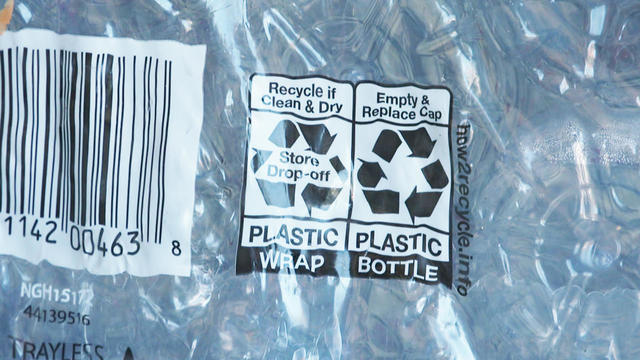
Only 5 to 6% of plastic waste produced in the U.S. is actually recycled. A new report accuses the plastics industry of a decades-long campaign to "mislead" the public about the viability of recycling.

Mexico City, one of the world's most populated cities with nearly 22 million people, could run out of water in months. Florencia Gonzalez Guerra, an investigative video journalist, joins CBS News to examine the causes behind the crisis.

Greenhouse gas emissions continued increasing in 2023, according to new data from the National Oceanic and Atmospheric Administration. CBS News' Elaine Quijano breaks down the numbers and what they mean for the climate.
A financial counselor for the U.S. Army has admitted to tricking the surviving beneficiaries of fallen soldiers out of millions while profiting himself.
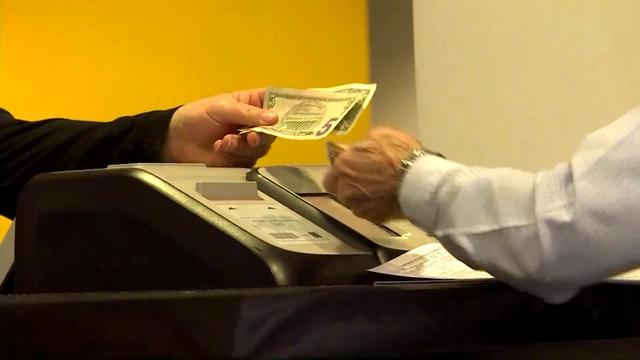
Salvatore Rubino kicked illegal gambling profits to the Genovese crime family, prosecutors say.
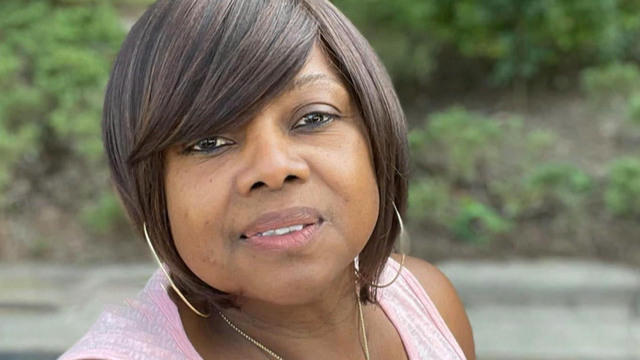
An 81-year-old man is charged with murder after thinking the victim was connected to a scam. William Brock received a threatening call last month from someone demanding money. The scammers also called Loletha Hall, an Uber driver, to pick up a package from Brock’s home. Brock confronted Hall with a gun, believing she was connected to the threats. He is now charged with her murder. Warning: The video in this story is disturbing.

Police say one man was killed and three were injured when gunmen on scooters opened fire in the Bronx on Tuesday.
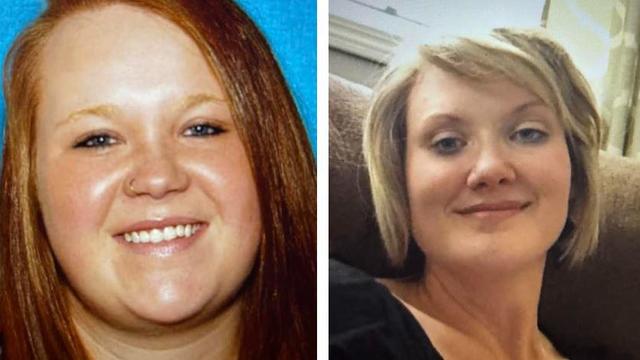
Veronica Butler and Jillian Kelley's disappearance last month prompted a murder investigation that has led to four arrests.
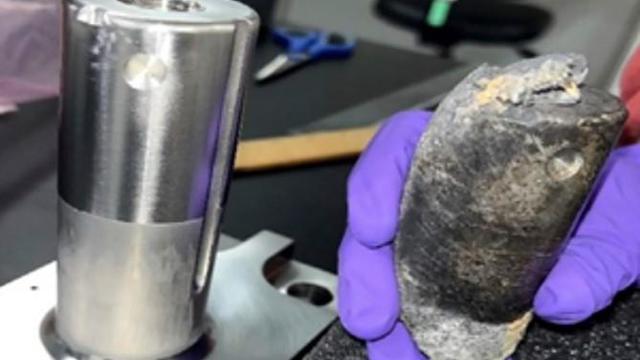
NASA confirmed Monday that a mystery object that crashed through the roof of a Naples, Florida home last month was space junk from equipment discarded by the space station.
NASA said it agrees with an independent review board that concluded the project could cost up to $11 billion without major changes.

It was a "bittersweet moment" as United Launch Alliance brought the Delta program to a close.

NASA flight engineers managed to photograph and videotape the moon's shadow on Earth about 260 miles below them.

Millions of Americans poured into the solar eclipse’s path of totality to watch in wonder. The excitement was shared across generations for the rare celestial event that saw watch parties across the country as almost all of the continental U.S. saw at least a partial solar eclipse.
A look back at the esteemed personalities who've left us this year, who'd touched us with their innovation, creativity and humanity.

The Francis Scott Key Bridge in Baltimore collapsed early Tuesday, March 26 after a column was struck by a container ship that reportedly lost power, sending vehicles and people into the Patapsco River.
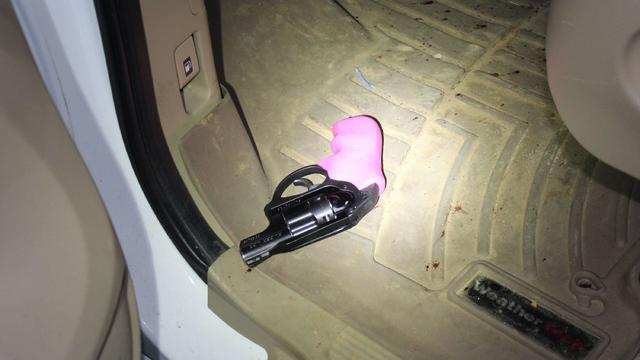
When Tiffiney Crawford was found dead inside her van, authorities believed she might have taken her own life. But could she shoot herself twice in the head with her non-dominant hand?
We look back at the life and career of the longtime host of "Sunday Morning," and "one of the most enduring and most endearing" people in broadcasting.

Cayley Mandadi's mother and stepfather go to extreme lengths to prove her death was no accident.
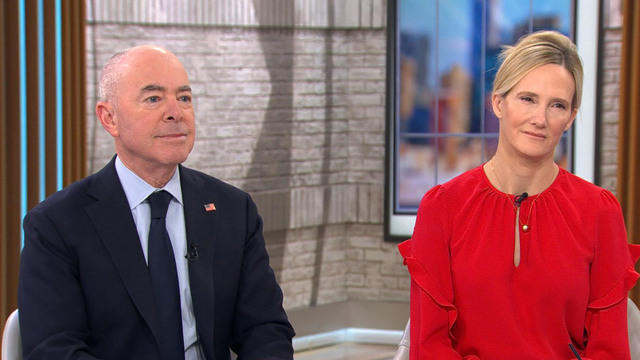
Department of Homeland Security Secretary Alejandro Mayorkas and Meta's Global Head of Safety Antigone Davis discuss the “Know 2 Protect” campaign. It aims to provide parents and young people with information about how to prevent exploitation and abuse, how to report incidents and provide resources for victims and survivors.
An 81-year-old man is charged with murder after thinking the victim was connected to a scam. William Brock received a threatening call last month from someone demanding money. The scammers also called Loletha Hall, an Uber driver, to pick up a package from Brock’s home. Brock confronted Hall with a gun, believing she was connected to the threats. He is now charged with her murder. Warning: The video in this story is disturbing.

A Boeing whistleblower plans to testify at a Senate hearing Wednesday. This comes after a door panel fell off an Alaska Airlines jet mid-flight. Boeing denies there are any safety issues with its planes.
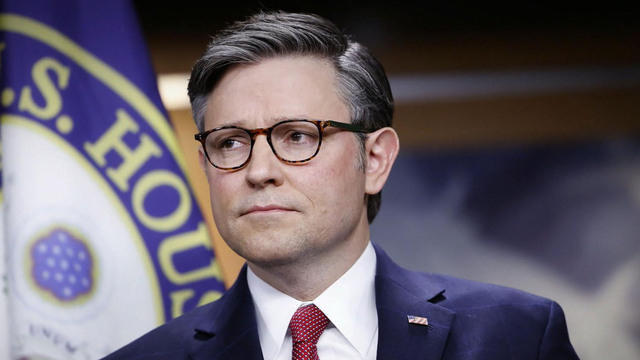
House Speaker Mike Johnson says he will not resign as he faces a new threat of removal by his own party for considering a vote on sending aid to Ukraine. A motion hasn’t been officially filed, but it would only take three Republicans to potentially remove the speaker given the GOP’s shrinking majority, if all Democrats vote against him.
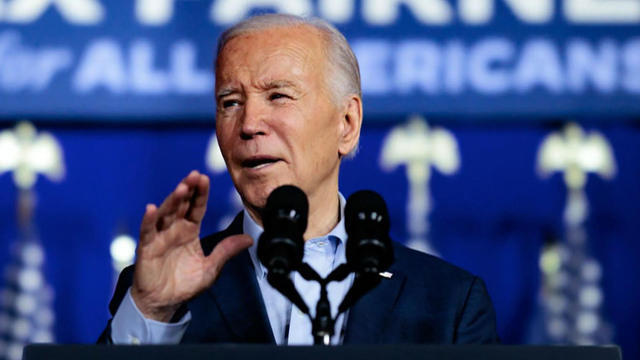
There are two very different schedules for the presumptive presidential nominees. President Biden spent time in the critical swing state of Pennsylvania Tuesday, while former President Trump campaigned in heavily Democratic New York City after jury selection wrapped up on Tuesday. Seven jurors were picked in his “hush money” trial.